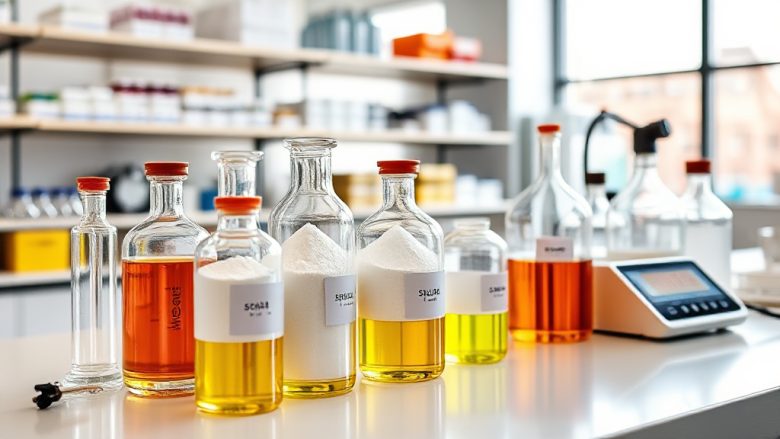
Small-Volume Buying of 5CLADBA Raw Materials Online
If you are an independent researcher, your buying reality is different from a bulk industrial purchaser. You have a limited budget, limited storage space, and no room for waste, yet you still need material that has been properly tested. The search intent behind “Buy 5cladba raw material online” is usually to find a reliable supplier who can serve small orders without forcing you into a large commitment. The short answer: look for a supplier that publishes testing information, offers quotation-based ordering, and lets you start with a modest quantity before scaling up.
When you Buy 5cladba raw material online, the goal is not to chase the lowest headline price. The goal is to get a verified product in a quantity you can actually use, store, and afford. That means focusing on supplier transparency, order flexibility, and the practical details that matter to a small buyer.
What Small Buyers Actually Need From an Online Supplier
The first thing to understand is that small-volume purchasing is not just bulk buying scaled down. It comes with its own constraints. You need clear product documentation, a realistic minimum order, and packaging that suits a modest storage footprint. A supplier who only caters to industrial clients may not be set up for your situation.
A useful supplier page should tell you what testing has been done and how to request a quote. It should also make it easy to ask questions before you commit. If a website is vague about testing or pushes you toward a large order immediately, that is a warning sign for a small buyer.
Testing evidence and documentation
Professional testing is the backbone of any trustworthy raw material purchase. For a small buyer, the value is even higher because you cannot absorb the cost of a bad batch. Look for a supplier that mentions professional testing of products and is willing to share testing details with serious buyers. This is not about demanding a full certificate before you say hello; it is about confirming that testing is part of the supplier’s normal process.
Minimum order quantities and packaging
Minimum order quantities (MOQs) are the practical gatekeeper for small buyers. A supplier may list a product but require a quantity that exceeds your budget or storage capacity. Ask directly about the smallest available order and how the material is packaged. Smaller packaging units make it easier to store material safely and to avoid waste.
Storage is often overlooked. Even a modest quantity of raw material needs a suitable location away from moisture, heat, and accidental contact. Before you order, confirm that you have a secure, labeled storage spot that matches the supplier’s handling recommendations.
How to Approach Order Size and Budget
Your order size should be driven by your actual research needs, not by a discount tier that tempts you to overbuy. A small buyer’s advantage is flexibility: you can test a supplier with a small order and increase later if the experience is good. The disadvantage is that per-unit costs are often higher, so you need to balance price against risk.
Start with a sample or trial quantity
If the supplier allows it, begin with the smallest quantity that still lets you do meaningful work. This reduces financial exposure and gives you a chance to evaluate packaging, labeling, and communication. A trial order is not a sign of timidity; it is a standard risk-management step for independent researchers.
Compare total cost, not just product price
Shipping, handling, and any testing documentation costs can change the real price of a small order. A supplier with a slightly higher product price but transparent shipping and responsive support may be cheaper overall than a low-price listing with hidden fees. Build a simple comparison before you commit.
| Factor | Why it matters for small buyers |
|---|---|
| Minimum order quantity | Determines whether you can order at all within budget |
| Testing information | Reduces the risk of receiving unsuitable material |
| Packaging size | Affects storage needs and waste |
| Shipping and fees | Can significantly change the total cost |
| Responsiveness | Shows how the supplier handles questions and issues |
Requesting a Quote and Placing a Modest Order
The quotation process is where small buyers often get the most useful information. A quote request lets you state your intended quantity, ask about testing, and confirm packaging details before any money changes hands. Suppliers who handle quote requests professionally tend to be more reliable for first-time small orders.
When you Buy 5cladba online, use the quote step to ask specific questions: What is the smallest order you accept? What testing has been performed on the current batch? How is the material packaged and shipped? Clear answers to these questions are more valuable than a vague promise of quality.
What to include in your quote request
- The quantity you are considering and whether it is a trial order
- Your storage constraints or packaging preferences
- Any documentation you need for your records
- Your timeline and shipping region
Keep the request concise. Suppliers receive many inquiries, and a clear, specific message is more likely to get a useful reply. Avoid asking for information the website already provides; instead, focus on the details that affect your small order.
Evaluating the supplier’s response
A good response is prompt, specific, and consistent with the website’s claims. If the supplier avoids questions about testing or pushes you toward a much larger order, treat that as a signal to slow down. For a small buyer, the cost of a bad supplier relationship is proportionally higher, so the evaluation stage deserves real attention.
Habits That Protect Small Buyers
The closing shortlist is about habits, not rules. These are the practices that keep modest orders safe and useful over time. They are especially relevant when you Buy 5cladba precursor material from an online supplier you have not worked with before.
Keep records of every order
Save your quote requests, order confirmations, and any testing information you receive. These records help you compare suppliers over time and give you a clear reference if a question arises. Small buyers often skip this step, but it is one of the simplest ways to build a reliable purchasing history.
Verify before you scale up
Only increase your order size after a successful trial. A good first experience with packaging, communication, and material quality is the best evidence that a larger order is worth the risk. Do not let a discount tier pull you into a bigger commitment before you have that evidence.
Store material responsibly from day one
Even a small quantity deserves proper storage. Label containers clearly, keep them in a suitable environment, and follow any handling guidance the supplier provides. Responsible storage protects your material and your workspace, and it makes future orders easier to manage.
In short, small-volume buying works best when you treat it as a process: start with a quote, order modestly, evaluate carefully, and scale only after you have reason to trust the supplier. That approach keeps your budget intact and your research supply dependable.