Teen Patti Bonus: What I Found After Testing the Offers Myself
Before you chase a single offer, there are a few things worth having ready: a phone with enough free storage, a stable connection, a clear idea of which app you actually want to test, and a note of the exact bonus terms you are claiming. I learned this the slow way. My first attempt at comparing bonuses was a mess of half-read pop-ups and screenshots I could not match to any app. So I started over, treated it like a proper test, and kept a running log. What follows is that day, reconstructed honestly, with the mistakes left in because they are the useful part.
One thing shaped the whole exercise. I was not opening accounts on a casino floor; I was browsing a directory. The site I leaned on most, Teen Patti Bonus, is an editorial listing that collects card-style Android apps and their offers in one place. It states plainly that it is not a casino operator and that offers and install routes can change. That framing mattered. It meant my job was comparison and verification, not signing up for anything myself.
How I Ran the Test, Step by Step
I broke the day into numbered stages so I could repeat them later and so you can follow along without guessing. Each step has a short explanation of why it exists.
1. I set a single goal before opening anything. My goal was narrow: find three apps with clearly stated bonus terms and rank them by how easy those terms were to understand. A vague goal like “find the best bonus” would have let me drift. Writing the goal down first kept me from getting pulled toward whatever had the loudest banner.
2. I cleared space and checked the basics. Card-style apps are not huge, but installers and updates add up. I freed about 2 GB, confirmed my Android version, and checked that I could install from outside the usual store if an app required it. This sounds dull. It saved me from a failed install halfway through the day.
3. I opened the directory and read the listings like a researcher, not a shopper. This was the turning point. Instead of tapping the first tempting offer, I read the app descriptions, the stated requirements, and the notes about install routes. The directory format is genuinely useful here because it puts similar apps side by side, so differences in the bonus wording become obvious. Two apps that looked identical in a search result turned out to describe their offers very differently once I read the detail pages.
4. I wrote down the exact bonus terms for each candidate. Not a summary, the exact wording. I copied the qualifying conditions, any expiry, and any stated limits into a plain text file. This is the step most people skip, and it is the one that decides whether a bonus is worth your time. A headline number means nothing if the conditions around it are unclear.
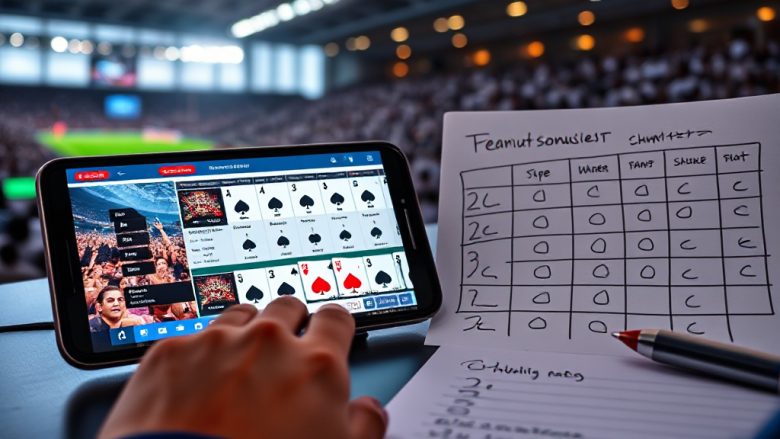
5. I compared like with like. I put the three candidates in a simple table: app name, bonus type, stated conditions, install route, and how confident I felt about the wording. Confidence is subjective, so I marked it as low, medium, or high and moved on. The comparison took ten minutes and replaced an hour of scrolling.
6. I checked whether the offers were still current. Offers change. The directory itself notes this, which is a good sign of honesty rather than a weakness. I re-read each listing at the end of the day to see whether anything had shifted. One had a slightly different description than my morning notes. That single change justified the whole re-check habit.
7. I logged what I would do differently. I noted the apps I dismissed and why, the wording that confused me, and the questions I still could not answer from the listings alone. This is the part that turns a browsing session into something you can actually use next time.
By the end of the day I had a shortlist I trusted and a clear record of how I got there. No app had been installed, no money had moved, and I understood the landscape far better than when I started.
What Actually Matters When You Compare Bonuses
Once the steps were done, patterns emerged. These are the things I would tell a friend before they start their own comparison.
Clarity beats size. The most attractive bonus on paper was not the one I ranked first. It had the vaguest conditions. A smaller offer with plain, readable terms won because I could tell exactly what I was looking at. When you cannot explain an offer in one sentence, that is information in itself.
Read the install route carefully. Some apps install through the usual store, others need a direct download. The directory lists these routes, and they matter for two reasons: they affect how much you have to trust the source, and they affect how easily you can remove the app later. I preferred listings that stated the route plainly over ones that left me guessing.
Treat changing offers as normal. A bonus that was described one way in the morning and slightly differently by evening is not necessarily a red flag. It is a reminder that these things are updated. Build a re-check into your process rather than assuming the first version you read is permanent.
Use rankings as a starting point, not a verdict. Editorial rankings are useful because someone has already done the sorting. But a ranking reflects that editor’s criteria, not yours. I used the order to decide what to read first, then formed my own view. On two apps my conclusion differed from the listed order, and that was fine.
Keep your own notes. The single most valuable artifact from my day was a plain text file. Screenshots pile up and become unsearchable. A short written record of terms, routes, and your own confidence level is what you will actually return to.
Watch for wording that dodges specifics. Phrases like “subject to conditions” are not automatically bad, but if a listing never gets more specific, treat that as a gap. The best listings I read told me what the conditions were, not merely that conditions existed.
Separate discovery from decision. The directory is built for discovery: search, compare, read details. The decision is yours and should happen after you close the tab. I made better choices once I stopped deciding mid-scroll and started deciding from my notes.
None of this requires expertise. It requires patience and a willingness to read the boring lines. The boring lines are where the real information lives.
My Closing Checklist Before You Commit to Anything
If you take one thing from this account, take the checklist. I ran it at the end of my test day and it caught two things I had missed.
Space and compatibility. Do you have room for the app, and does your Android version meet the stated requirement? Confirm both before you start.
Exact terms recorded. Have you written down the bonus wording as stated, not paraphrased? If you cannot find the terms, that is your answer.
Install route understood. Do you know whether it installs through a store or a direct download, and are you comfortable with that route?
Source checked. Is the listing you are reading an editorial directory or something else? Knowing the difference changes how much weight to give it.
Freshness confirmed. Did you re-read the listing recently, or are you working from a version you saw days ago?
Comparison done. Have you placed at least two options side by side, or are you deciding from a single listing?
Removal plan. Do you know how you would uninstall the app if you changed your mind? If not, find out first.
Your own notes saved. Is there a record you can return to, or will you be starting from scratch next time?
Run that list and you will avoid the mistakes I made on my first, sloppy attempt. The process is not glamorous, but it is reliable, and reliability is what you want when offers shift and listings update. A directory gives you the raw material; the checklist turns it into a decision you can stand behind.
Questions I Kept Getting Asked
Is a Teen Patti bonus the same as a casino offer?
No. In the context of an app directory, a bonus is a promotional feature listed alongside a card-style Android app. The directory I used is explicit that it is not a casino operator. The offers are descriptions you compare, not transactions the site handles.
Why do the bonus terms keep changing?
Because app publishers update their promotions. The directory notes that offers and install routes may change, which is why re-checking a listing before you act is sensible. Treat any single reading as a snapshot, not a permanent fact.
Do I need to install an app to compare bonuses?
No. I completed a full comparison without installing anything. The listings gave me enough detail on terms, requirements, and install routes to rank candidates. Installing is a separate decision you make only after the comparison is done.
How many apps should I compare before deciding?
Three worked well for me. Fewer than that and you lack a baseline; many more and the differences blur. The point is to see how differently two similar apps can describe their offers, then judge which wording you trust.