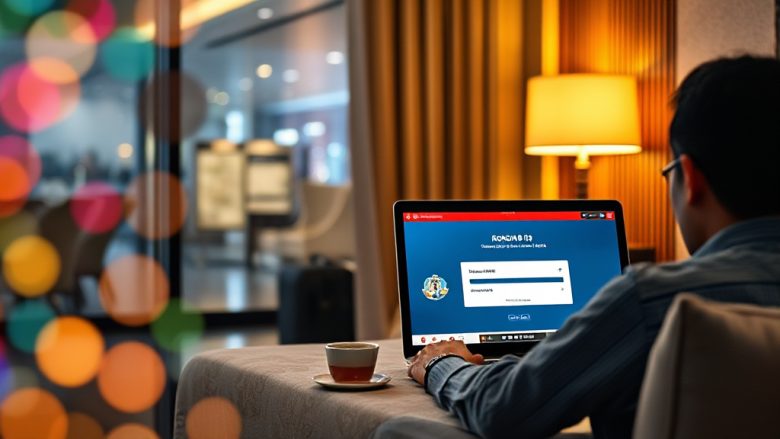
One Click, One Evening: A ROKOK88 Link Story
The cursor hovered, then clicked. The screen went white for a heartbeat before the page began to load, and in that pause Dita realized she had no plan for the next hour. She had finished dinner, the dishes were drying, and a link a friend had sent earlier that week sat open in a forgotten browser tab. This is the story of what happened after she clicked the rokok88 login link, told in the compact arc of one ordinary evening.
She was not a seasoned player. She was curious, a little cautious, and armed with the kind of questions most people bring to a new site: Is this the right page? What happens after I sign in? How long does it take? The page settled, and the answers started arriving faster than she expected.
The First Click and the Login Screen
The landing page loaded with a clean header and a login box that asked for two things: a username and a password. Dita had registered weeks ago, she thought, but she could not remember the details. She tried the email she used for most accounts and a password she had recycled once too often. The screen blinked and returned a polite error. Wrong credentials are the most common first stumble, and she had walked straight into it.
She clicked the small “forgot password” text and followed the reset flow. A code arrived, she typed it in, and she set a new password — longer this time, with a number and a symbol. The whole detour took under four minutes. (Practical note: keep the reset code window open until the new password is confirmed; closing it too early means starting over.)
Back at the login box, she entered the new credentials and pressed the button. This time the page moved. A short loading bar appeared, then the lobby. The transition was smooth enough that she almost missed it.
What the Login Actually Confirms
Signing in is not just a gate; it is the moment the site ties her session to her account. Her balance, her saved preferences, and any pending notifications appeared in the corner of the screen. The login step is where identity and account state meet, which is why a failed attempt feels like a locked door rather than a slow page.
She noticed a small note about device verification. Because she was logging in from a browser she had not used before, the site asked her to confirm the session through a short code. It was an extra step, but a reassuring one. She approved it and the lobby refreshed.
Inside the Lobby: The Next Hour Unfolds
The lobby greeted her with categories arranged like shelves in a well-lit shop. There were card games, arcade-style titles, and a section of live tables with real dealers on screen. Dita scrolled slowly, reading the labels rather than clicking. She had promised herself she would look before she leaped.
She opened one table game first, a simple card variant she half-recognized. A practice mode let her play without committing any balance, and she spent ten minutes there, learning the rhythm of the buttons. Practice modes are the quiet heroes of a first session, giving new players a place to make mistakes cheaply.
Then she moved to a live dealer table. The video feed took a few seconds to connect, and a chat box scrolled with greetings from other players. She watched two rounds before placing anything. The interface showed her balance clearly at all times, and a small history panel recorded each action. It felt more like watching a stream than sitting at a table, which helped her nerves.
Small Practical Asides From the Evening
Halfway through the hour, she noticed a session timer in the corner. It had been running since login, counting quietly. She had not set a limit, but the timer made her aware of how quickly the minutes had gone. (Practical note: decide on a time or spending limit before logging in, not after — the lobby is designed to keep you engaged.)
She also tested the logout button, just to see where it led. The session ended cleanly and returned her to the login screen. Logging back in took seconds because her device was now recognized. That small loop — out and back in — gave her confidence that the account was secure and that she could step away whenever she wanted.
One more detail caught her eye: a help icon that opened a panel of short guides. She read one about password hygiene and another about verifying the site address before entering credentials. Bookmarking the official login page beats searching for it each time, the guide suggested, because search results can lead to lookalike sites. She bookmarked it and closed the panel.
What She Learned About Logging In
By the end of the hour, Dita had a short mental checklist. Use a password you have not reused elsewhere. Expect a verification step on a new device. Keep the reset code window open until the change is confirmed. Log out when you are done, even if you plan to return the next day. None of these are dramatic, but together they turn a nervous first click into a routine.
She also understood why the login step matters more than it seems. It is the handshake between the player and the platform, and a smooth handshake sets the tone for everything that follows. A clunky login creates doubt; a clean one lets the evening unfold without friction.
The Evening Closes
At the end of the hour, Dita logged out and closed the tab. The dishes were still dry, the room was quiet, and the evening had gone exactly where she had let it. She had not won anything remarkable, and she had not lost anything she would miss. What she carried away was a sense of how the site worked and where its edges were.
The next time a link like that appears in a message, she will know what waits on the other side of the click: a login box, a short verification, and a lobby full of choices. A good login is forgettable in the best way — it gets out of the way and lets the evening be about the evening.